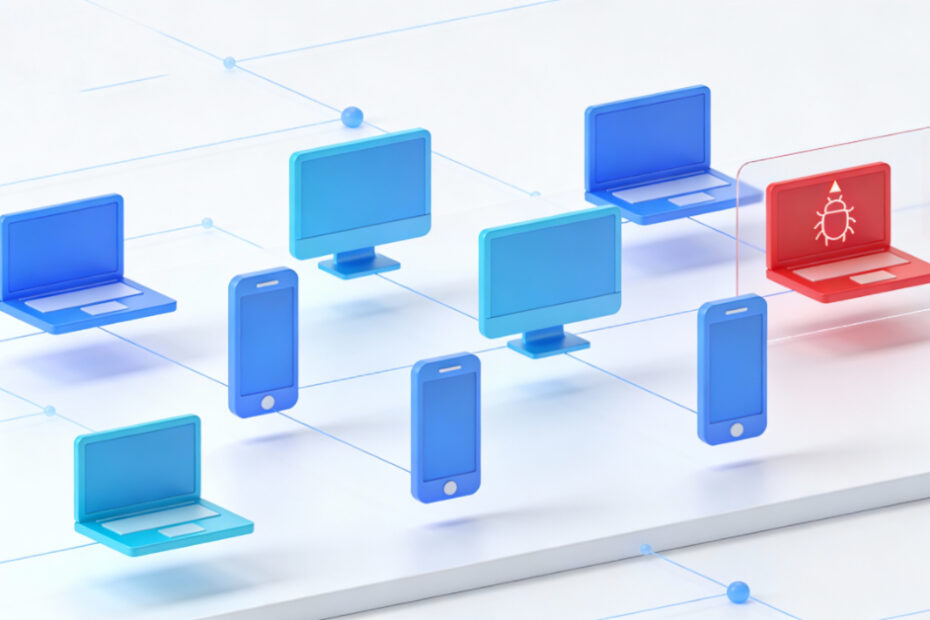
How to Prevent Data Theft on Shared Windows PCs
Shared PCs expose personal data if user accounts and permissions are not separated.

Shared PCs expose personal data if user accounts and permissions are not separated.
Scammers impersonate Microsoft support through phone calls, emails, or pop-ups to steal money or gain access.
Phishing attacks trick users into clicking malicious links or entering credentials on fake websites that look legitimate.
Seniors are frequently targeted by scams due to less familiarity with modern threats.
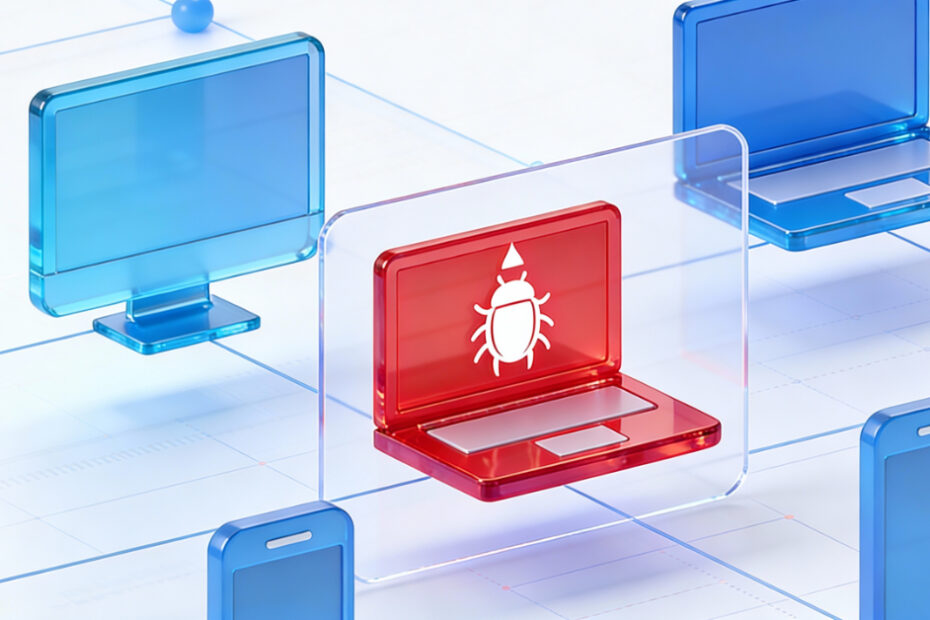
Fake security pop-ups mimic Windows Defender warnings to scare users into calling scam numbers or installing malware.
Scammers trick users into sharing their screen to steal credentials or initiate fraudulent transactions.
Scammers trick users into installing remote access tools to steal data or money.

Default Windows settings expose unnecessary features attackers can exploit.
Tech support scams impersonate Microsoft or security companies to gain access or payment.
Weak or reused passwords are the #1 cause of account compromise.